

Chronos Executive Logo Chronos Executive Contact Us
Contact Us
Meeting room with whiteboard showing agenda and scattered notes on table

Running Efficient Meetings That Actually End on Time

Most meetings run 15 minutes over. Here’s why — and what to do about it. Includes practical templates you can use immediately.

10 min read Beginner May 2026
Vincent Lam, Senior Training Director

Author

Vincent Lam

Senior Training Director

Senior Training Director at Chronos Executive Limited with 17 years of experience optimizing executive schedules and meeting efficiency for military leadership.

The 15-Minute Creep

You schedule a 30-minute standup. It runs to 45. A one-hour planning session bleeds into lunch. Back-to-back meetings with no buffer means you’re always 10 minutes late to the next one. By day’s end, you’ve lost three hours to overruns.

It’s not laziness. It’s not disrespect. Most meeting overruns happen because nobody’s actively managing the time. The agenda exists but isn’t used. Discussion drifts. No one calls time. And suddenly you’re 20 minutes past the end point.

The pattern is predictable: Meetings without a facilitator watching the clock run 15-25% over. That’s not a coincidence — it’s a system failure.

Why Meetings Drift

Three reasons consistently appear in efficient vs. inefficient teams.

First, no one owns the time. You send a calendar invite with an agenda, but nobody’s responsible for keeping it moving. Everyone assumes someone else will call time. Nobody does.

Second, the agenda lacks structure. “Discuss budget” isn’t a structure — it’s a topic. How much time for each piece? What’s the decision point? Without specifics, discussions expand to fill available space.

Third, there’s no buffer. Back-to-back scheduling with no 5-minute margin means overruns cascade. The 10:00 meeting runs 10 minutes long, so 10:30 starts at 10:40, which breaks the 11:00 start.


Detailed view of meeting agenda written on whiteboard with time allocations marked
Executive reviewing meeting notes and time tracking on tablet at desk

The Three-Part Fix

Meetings that end on time share three deliberate practices.

1

Designate a timekeeper

Someone who isn’t the presenter. This person owns the clock. They give a 5-minute warning. They call time at the end. They’re not rude about it — they’re just clear. “We’ve got 3 minutes left for this topic.”

2

Build the agenda with time blocks

Don’t just list topics. Assign minutes. “Opening (2 min) Project update (8 min) Q&A (5 min) Decisions (10 min) Closing (5 min).” Total: 30 minutes. Visible. Defendable. When someone asks to add a topic, you show them the math.

3

Schedule with buffers

Stop scheduling back-to-back. A 30-minute meeting + 5-minute buffer = 35 minutes on the calendar. The next meeting starts at 35 minutes, not 30. You’ll actually be on time. Your brain gets 5 minutes to transition between contexts.

What This Actually Looks Like

A weekly leadership standup at most organizations runs 45 minutes when it should run 20. Here’s how to compress it.

Before (The Drift)

  • 10:00 – Start (5 minutes of “hellos” and side conversations)
  • 10:05 – Project A update (planned 8 minutes, takes 18)
  • 10:23 – Project B update (planned 8 minutes, takes 15)
  • 10:38 – Open discussion (planned 5 minutes, takes 7)
  • 10:45 – End (but people linger for questions)

After (Structured)

  • 10:00 – Start (1 minute, someone keeps it tight)
  • 10:01 – Project A update (6 minutes, timekeeper gives 1-minute warning at 5)
  • 10:07 – Project B update (6 minutes, same discipline)
  • 10:13 – Open questions (4 minutes)
  • 10:17 – End

The difference: Someone’s watching the clock. The agenda has numbers. People know the structure.

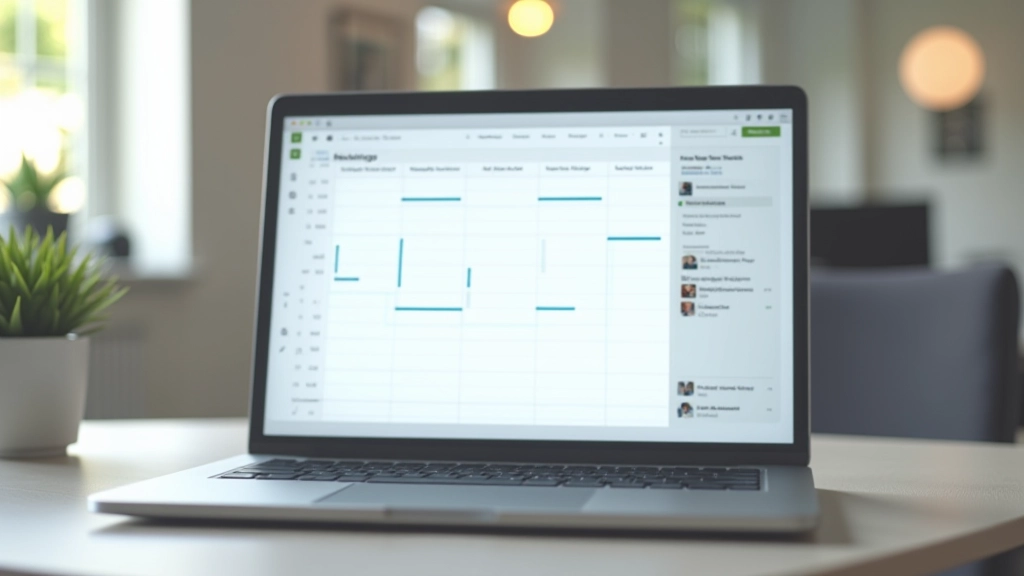
Calendar application showing properly scheduled meetings with visible time buffers between appointments

The Template You Can Use Tomorrow

Here’s a meeting agenda template with time blocks built in. Copy it. Adapt the times. Use it for every meeting.

Meeting Agenda Template

Meeting: [Title] | Duration: [Total minutes] | Timekeeper: [Name]

Opening & Context — [X] minutes

Topic 1 — [X] minutes | Decision needed: [Yes/No]

Topic 2 — [X] minutes | Decision needed: [Yes/No]

Topic 3 — [X] minutes | Decision needed: [Yes/No]

Open Questions — [X] minutes

Closing & Action Items — [X] minutes

TOTAL: [Sum of above]

Fill in the minutes before you send the invite. If someone wants to add a topic, they need to show you what gets cut. You’ll be surprised how often they’ll say “Never mind.”

The Real Win

Meetings that end on time aren’t just about getting 15 minutes back. They’re about respect. They’re about showing people their time matters. When a meeting starts at 10:00 and ends at 10:30, people trust that a 2:00 meeting will actually end at 2:30. You get your focus time back. You’re not perpetually late.

Start with one meeting. Pick the one that consistently overruns. Add the timekeeper. Use the agenda template. Watch what happens. You’ll probably finish in 80% of the scheduled time. From there, it’s just consistency.

Ready to reclaim your calendar?

Explore more time management strategies and tools designed for executive leadership.

Explore Time Management Training

Educational Information

This article provides educational information about meeting management practices and time management principles. The strategies and templates shared are based on common organizational practices and are intended to support your professional development. Individual results will vary depending on your specific organizational context, team dynamics, and implementation approach. Always adapt these practices to fit your particular circumstances and organizational culture.